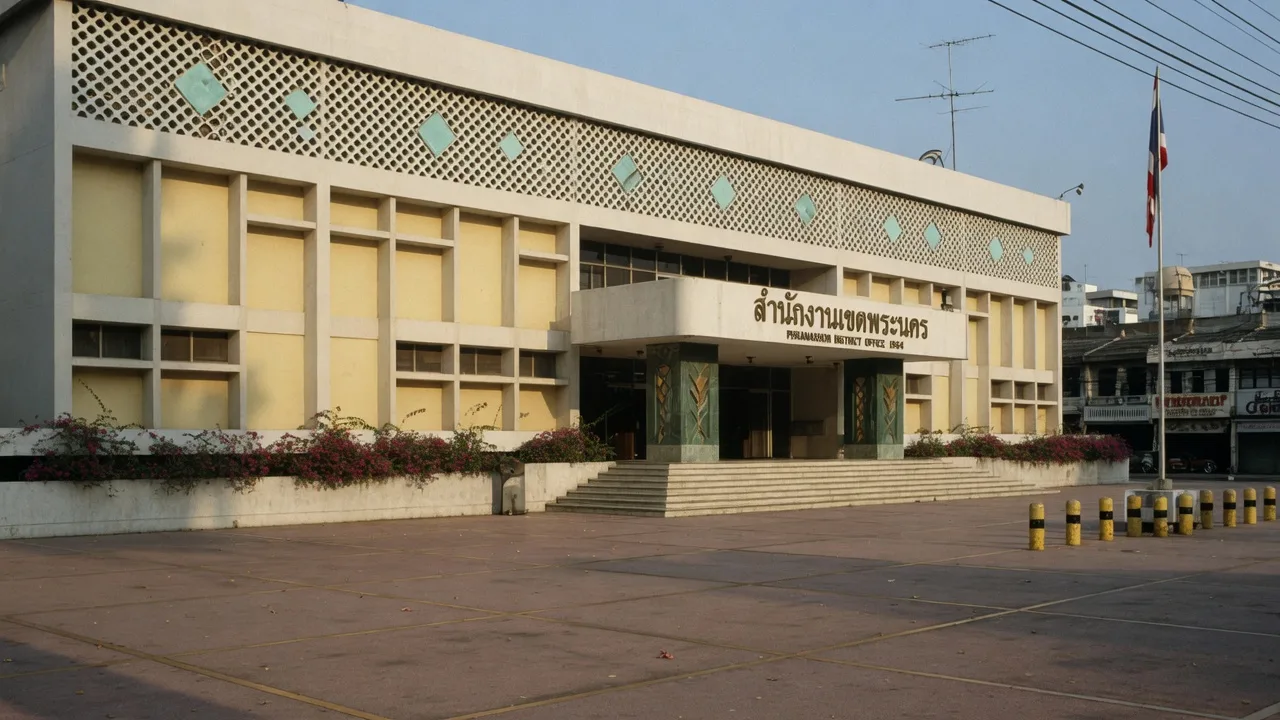
Thailand's modern history is a story of remarkable transformation — from an absolute monarchy at the turn of the 20th century to one of Southeast Asia's largest economies, yet punctuated by political instability, military coups, and an ongoing tension between democratic aspirations and traditional power structures.
The Chakri Reforms (1850s–1925)
King Mongkut — Rama IV (r. 1851–1868)
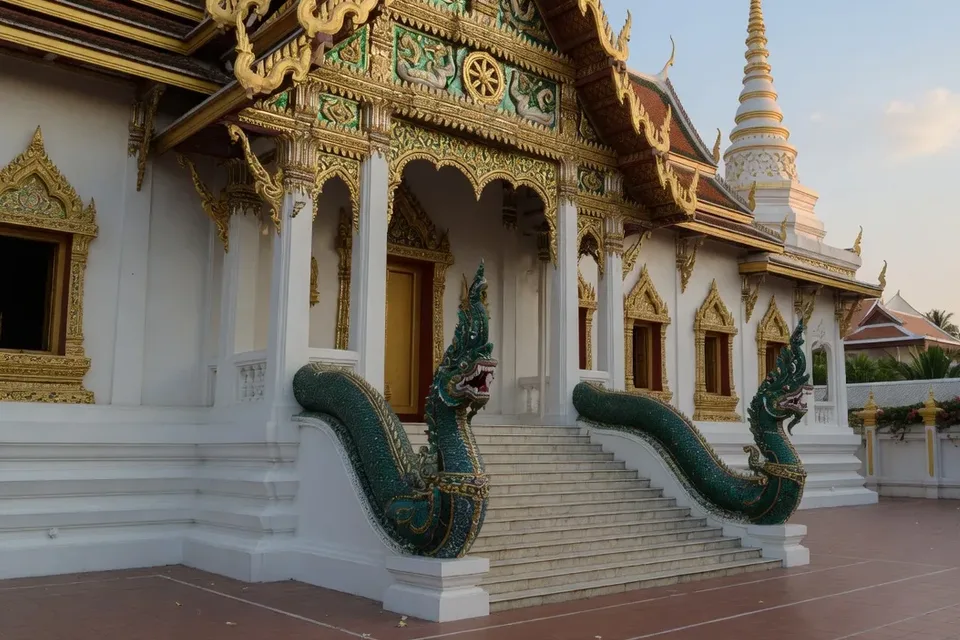
Mongkut (the king depicted, somewhat inaccurately, in The King and I) spent 27 years as a Buddhist monk before ascending to the throne. He used that time to study Western languages, science, and diplomacy. As king, he:
- Signed the Bowring Treaty (1855) with Britain, opening Siam to free trade and Western economic influence — a strategic concession that helped preserve independence
- Invited Western advisors and missionaries
- Reformed the monkhood and promoted scholarly Buddhism
- Demonstrated a modern, rational approach to governance that impressed Western diplomats
King Chulalongkorn — Rama V (r. 1868–1910)
Chulalongkorn the Great is one of the most revered figures in Thai history. He modernised Siam more comprehensively than any other monarch:
- Abolished slavery (gradually, between 1874 and 1905)
- Ended corvée labour (the system of compulsory state service)
- Created modern government ministries replacing the old four-ministry system
- Built railways, roads, and telegraph systems
- Established modern schools and sent students abroad to European universities
- Navigated colonial pressure from Britain (controlling Burma and Malaya) and France (controlling Indochina) — Siam's loss of territory was painful (ceding Laos, Cambodia, and Malay states) but the core kingdom survived intact as a buffer state
Chulalongkorn is so revered that Thais still place offerings at his equestrian statue in Bangkok's Royal Plaza. Chulalongkorn Day (23 October) is a national holiday.
1932 Revolution
On 24 June 1932, a group of Western-educated military officers and civilians (the People's Party, or Khana Ratsadon) staged a bloodless coup that ended 700 years of absolute monarchy. King Prajadhipok (Rama VII) was forced to accept a constitutional monarchy, and Thailand's modern political era began.
The 1932 revolution is a foundational moment, but its legacy is contested. The People's Party's democratic aspirations were quickly undermined by military dominance, and Thailand has struggled with the tension between elected government and military power ever since.
World War II
Thailand's wartime experience was complex:
- Initially neutral, Thailand was invaded by Japan on 8 December 1941 (hours after Pearl Harbor)
- After brief resistance, the government of Field Marshal Phibun signed an alliance with Japan and declared war on Britain and the United States
- Thailand served as a base for Japanese operations, including the construction of the Burma Railway (the "Death Railway" at Kanchanaburi)
- The Free Thai Movement (Seri Thai) operated as an underground resistance, maintaining covert contact with the Allies
- Thailand's ambassador to Washington, Seni Pramoj, refused to deliver the declaration of war, and the US never recognised the Thai declaration — a diplomatic fiction that helped Thailand avoid severe post-war consequences
- After the war, Thailand reversed its alliance, joined the United Nations, and aligned firmly with the Western bloc
Cold War and Vietnam Era
Thailand became a key US ally during the Cold War:
- Hosted US military bases during the Vietnam War (1965–1975), particularly at U-Tapao, Korat, and Udorn
- Sent troops to fight in Korea and Vietnam
- Received massive US economic and military aid
- The American military presence (and R&R operations in Bangkok and Pattaya) had lasting sociocultural effects, including the development of Pattaya as a resort city
Political Instability
Thailand has experienced 13 successful military coups since 1932 — a record unmatched by any other modern nation. The pattern is cyclical: elected government → perceived corruption or instability → military coup → new constitution → elections → repeat.
Key Moments
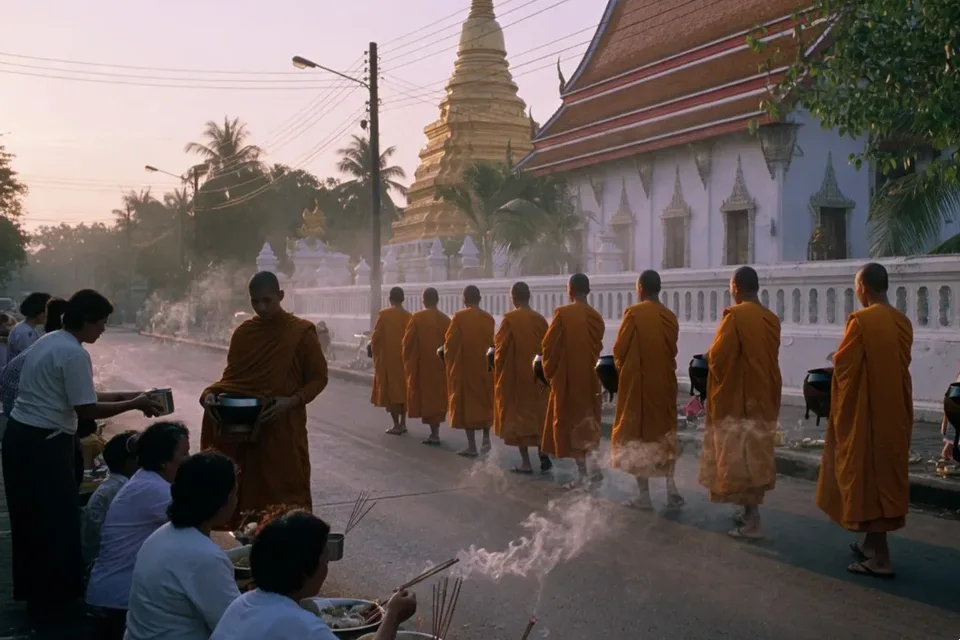
- 1973 — Popular uprising — Student-led protests overthrew the military dictatorship of Thanom Kittikachorn. A brief democratic period followed.
- 1976 — Thammasat University massacre — Right-wing paramilitaries and police attacked student protesters at Thammasat University, killing dozens. A military coup followed.
- 1992 — Black May — Protests against the unelected Prime Minister Suchinda Kraprayoon led to a military crackdown that killed dozens. King Bhumibol intervened, calling both sides to the palace in a televised audience that ended the crisis.
- 1997 — Economic crisis — The Asian financial crisis devastated Thailand's economy. The baht collapsed, businesses failed, and the political fallout led to a new constitution (the 1997 "People's Constitution") considered Thailand's most democratic.
- 2006 — Coup against Thaksin — Billionaire PM Thaksin Shinawatra was overthrown by a military coup while at the UN in New York. His populist policies had won massive rural support but alienated Bangkok's elite and middle class. The political division this created persists.
- 2010 — Red Shirt crackdown — Pro-Thaksin "Red Shirt" protesters occupied central Bangkok for months. The military dispersal killed 90+ people.
- 2014 — Coup by General Prayuth — After months of anti-government protests, General Prayuth Chan-ocha seized power, dissolved parliament, and ruled by decree until elections in 2019.
- 2020–2021 — Youth protests — Unprecedented pro-democracy protests, led by young activists, challenged the political establishment and — breaking a deep taboo — called for reform of the monarchy. The movement was suppressed but represented a generational shift.
Royal Transition
King Bhumibol Adulyadej (Rama IX) reigned from 1946 to 2016 — the world's longest-reigning monarch at the time of his death. He was deeply revered: a unifying figure in a divided society, a patron of rural development, and a stabilising moral authority. His death in October 2016 triggered a national outpouring of grief.
His son, Maha Vajiralongkorn (Rama X), succeeded him. The new king's reign has been characterised by constitutional amendments expanding royal powers, a more prominent public role, and the sensitive topic of monarchy reform raised by the 2020 protest movement.
Thailand Today
Modern Thailand is Southeast Asia's second-largest economy, a major tourist destination (40 million+ visitors in 2019), and a country navigating the tension between tradition and change:
- Political division between urban middle class and rural populists remains unresolved
- Military influence continues through constitutional mechanisms that preserve military-appointed Senate power
- Economic development has transformed the country but created inequality — Bangkok's gleaming malls coexist with rural poverty
- Soft power through Thai cuisine, Muay Thai, and tourism has made Thailand a global cultural brand
- The monarchy remains central but faces unprecedented public scrutiny from a younger generation