Featured guides
Editor’s picks — start here, then browse by topic.
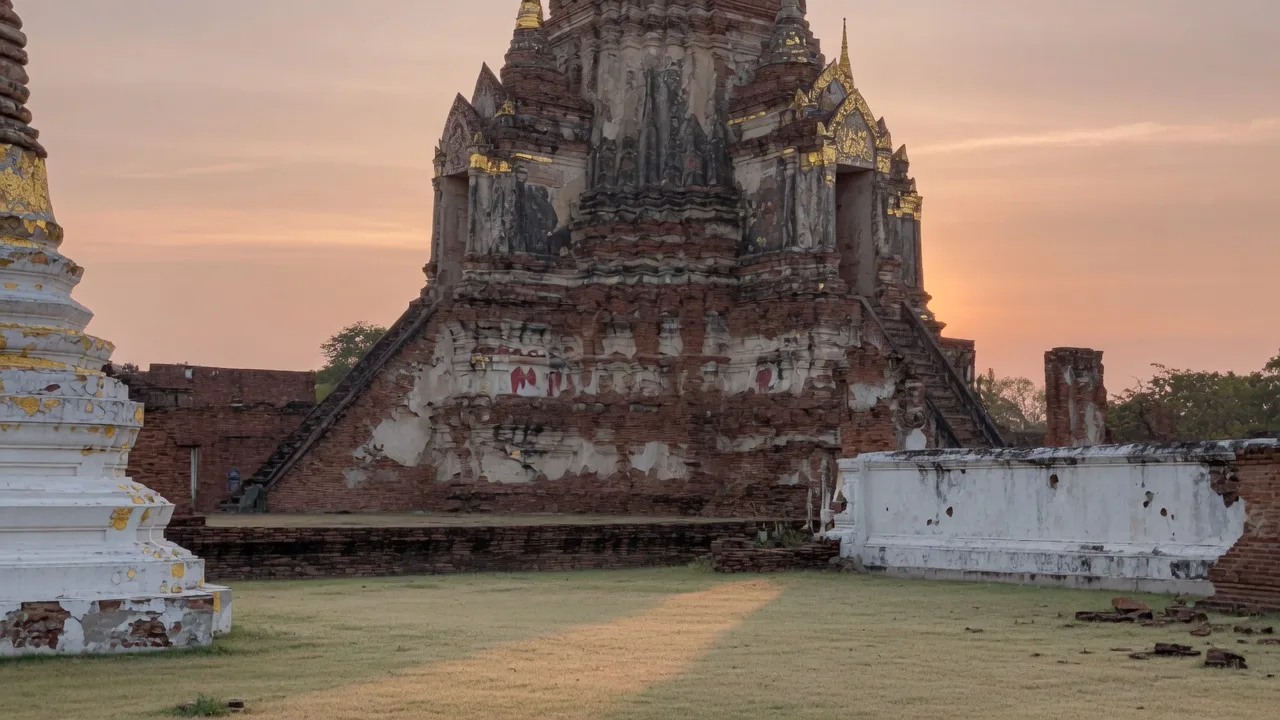
Temples & festivals
Thai wats, Songkran, Loy Krathong, Sukhothai and Ayutthaya, Muay Thai — a People & Spirit catalogue with official and UNESCO links.
Read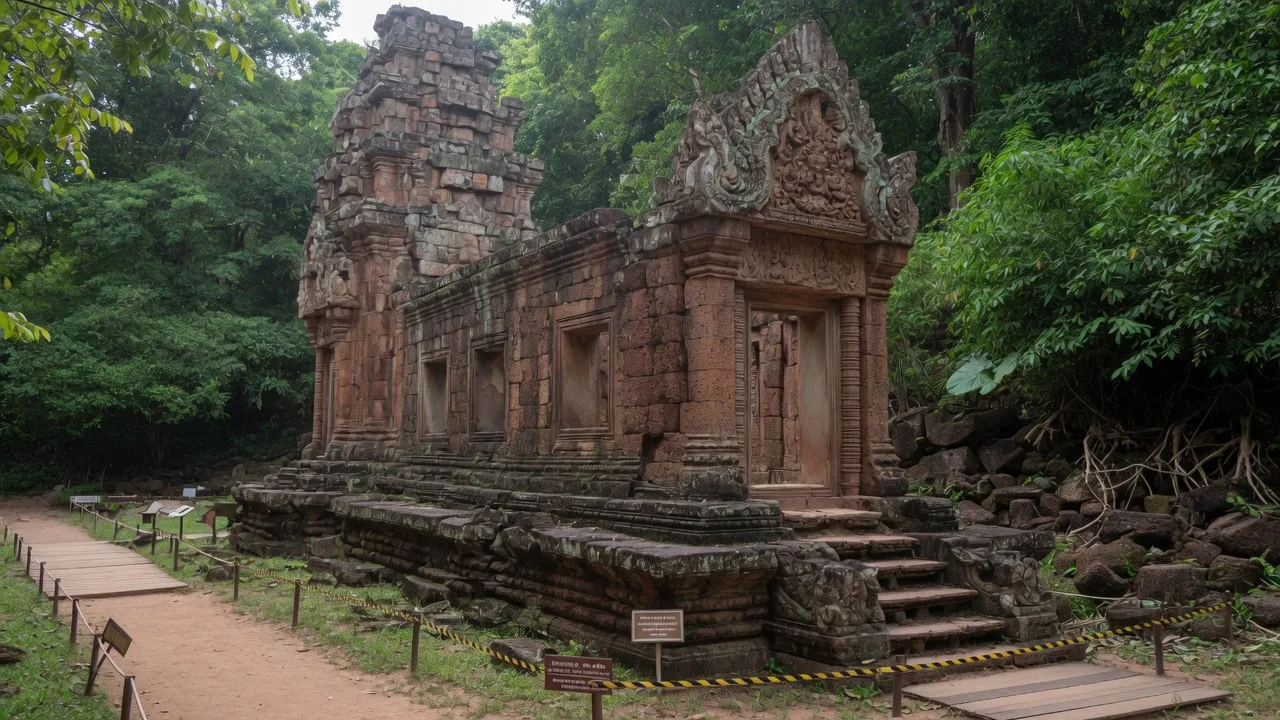
Ancient Kingdoms of Thailand
From the Khmer Empire's reach to the rise of the first Thai states — the deep history of the land before it was Thailand.
Read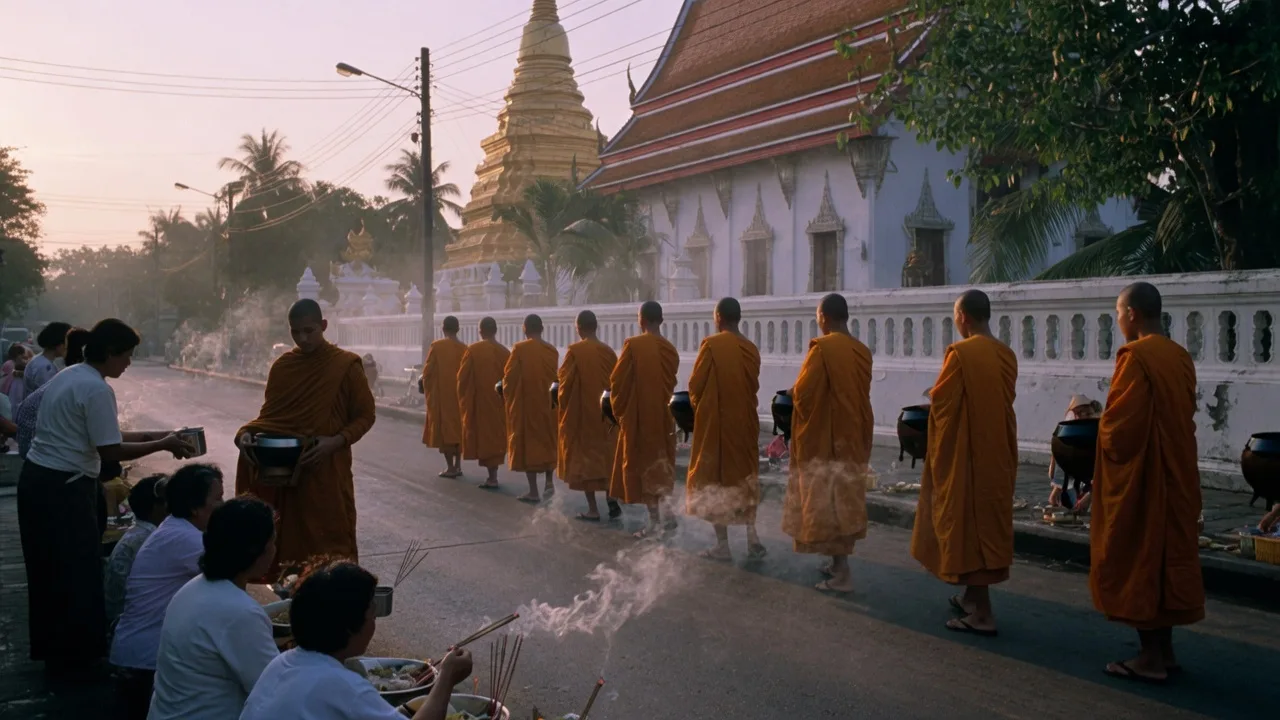
Buddhism in Thailand
Theravada Buddhism shapes every facet of Thai life — from the 40,000 temples to the morning alms round, the merit economy, and the expectation of ordination.
ReadAlso worth your time
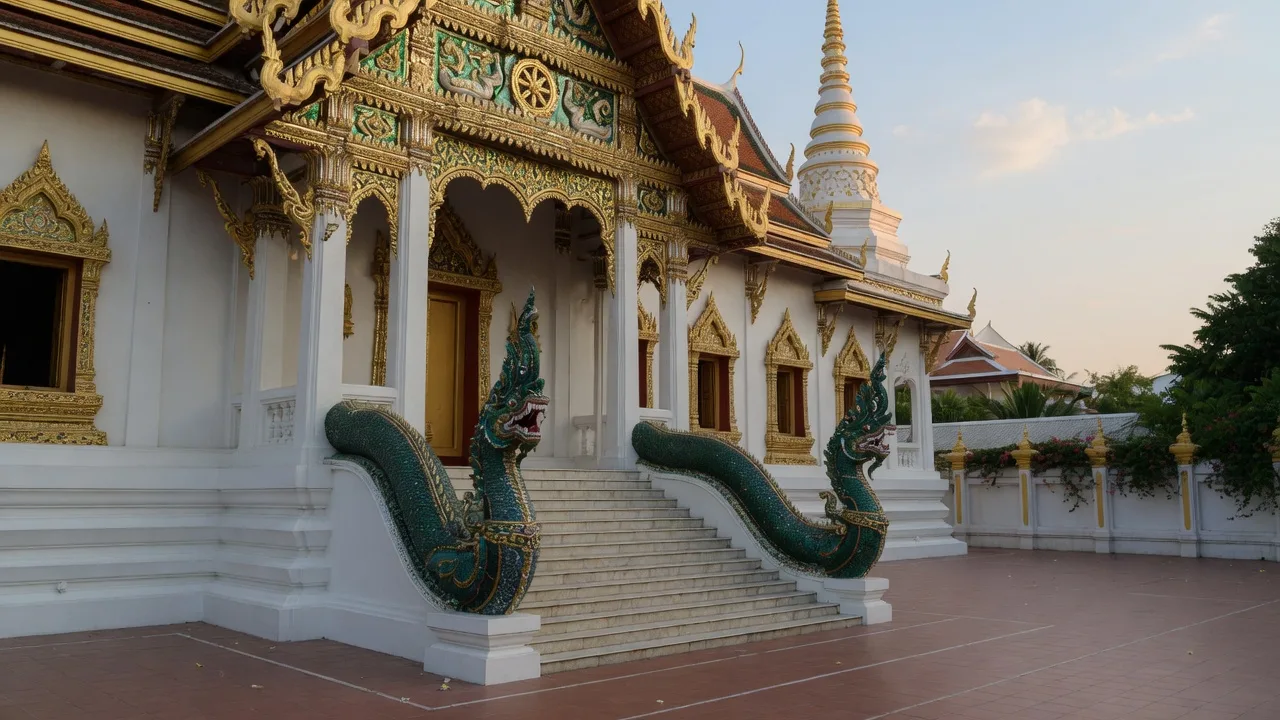
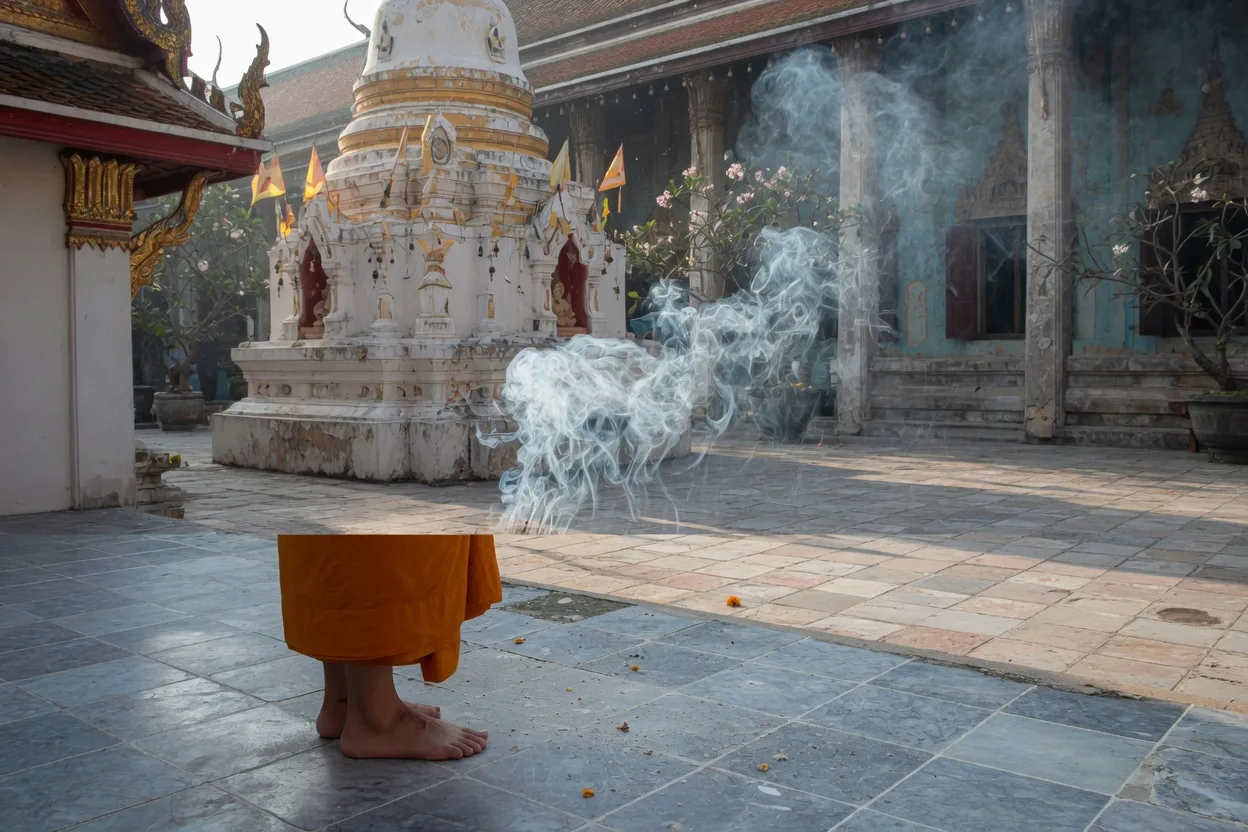
Thailand's Temples & Monastic Life
From the Grand Palace to rural village wats — the architecture, daily rhythms, and spiritual significance of Thailand's 40,000 temples.
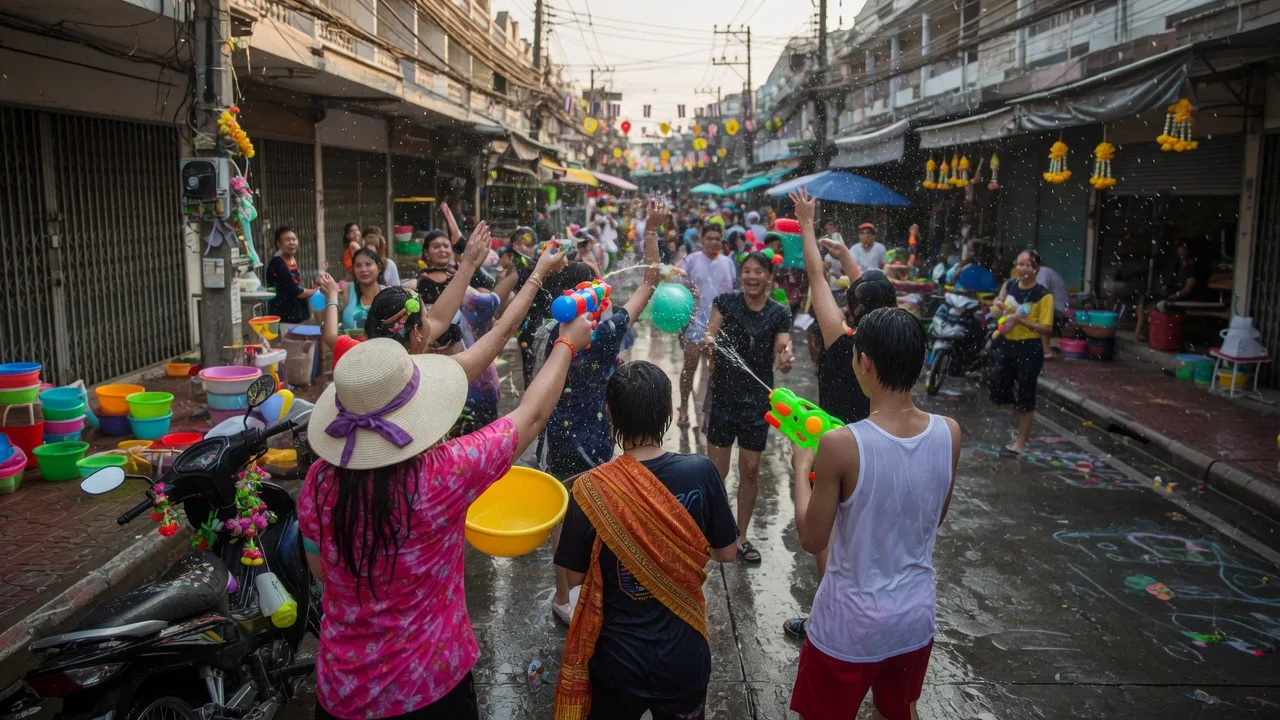
Songkran
The world's biggest water fight, one of humanity's oldest New Year celebrations, and the heart of Thai family tradition — Songkran explained.
Thai Social Structure
Hierarchy, face, sanuk, and kreng jai — the invisible social codes that govern Thai interaction and make sense of the Land of Smiles.
Muay Thai
The Art of Eight Limbs — Thailand's ancient martial art, national sport, and cultural institution from rural training camps to Bangkok stadium glory.
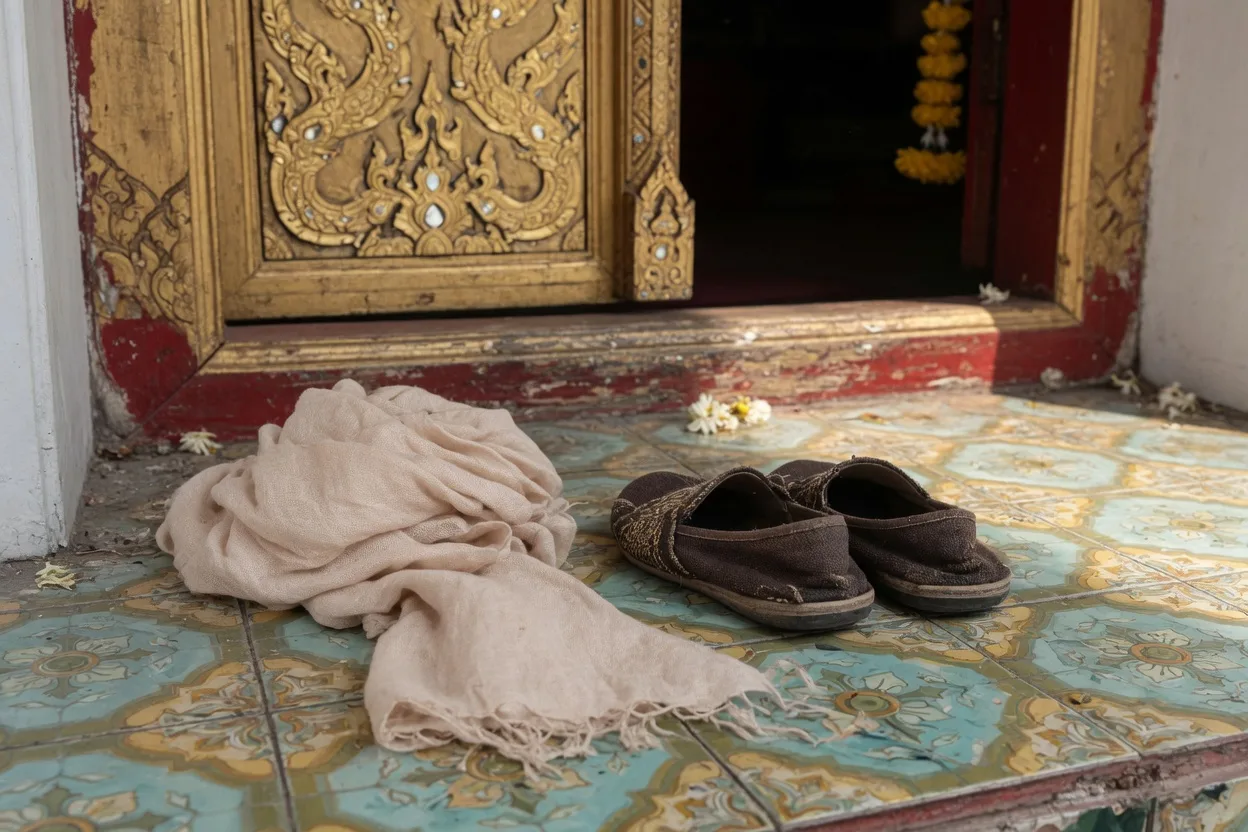
Temple etiquette
Shoes, shoulders, sitting feet, cameras, and monks — how to be in a wat without turning it into a backdrop.
Loy Krathong
Thailand's Festival of Light — floating lanterns, candlelit offerings, and the most beautiful night of the Thai year.
History
4 guides Ancient Kingdoms of Thailand From the Khmer Empire's reach to the rise of the first Thai states — the deep history of the land before it was Thailand. Open 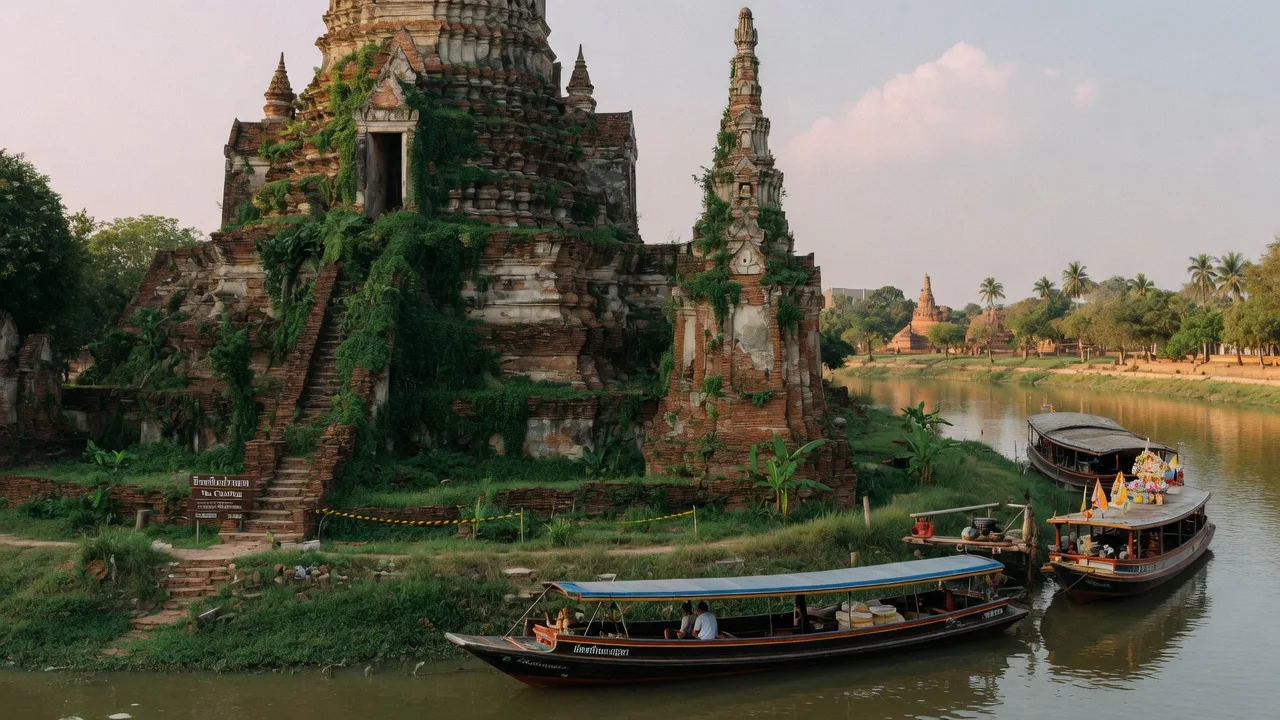 The Ayutthaya Kingdom Four centuries of power, trade, and war — the mighty Siamese kingdom that dazzled European visitors and fell to Burmese destruction in 1767. Open
 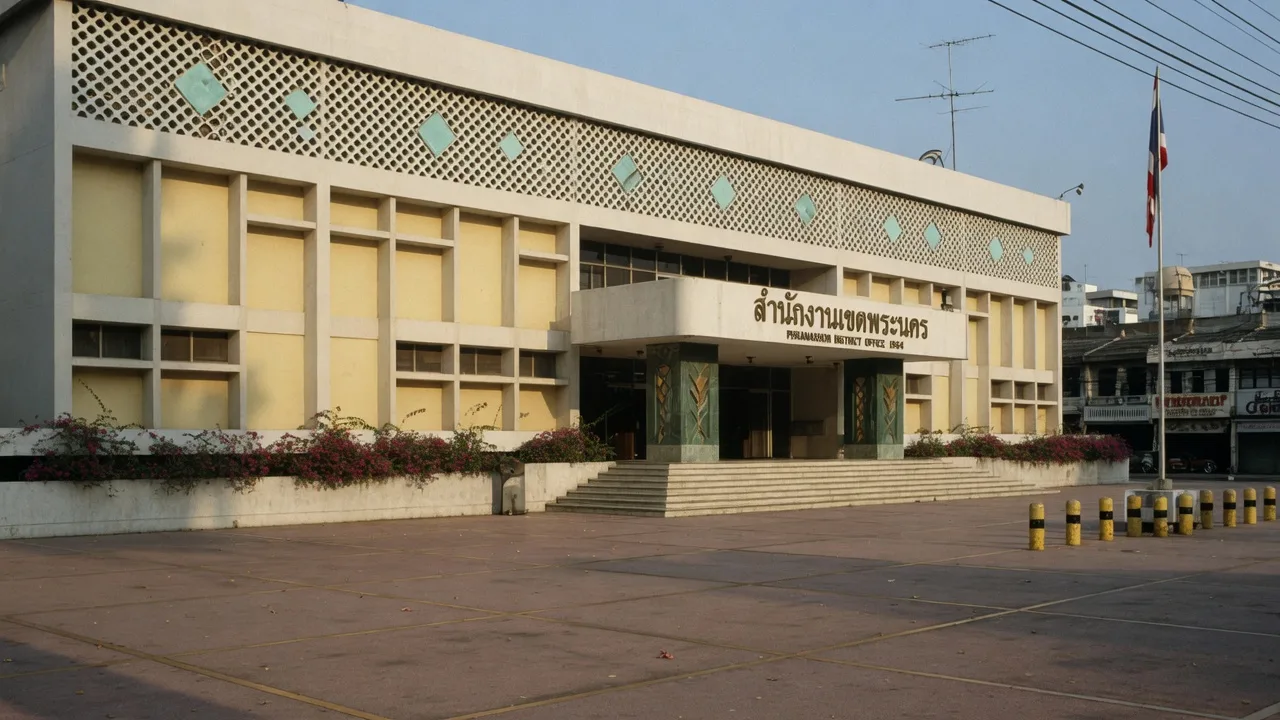 Modern Thailand From absolute monarchy to constitutional upheaval — Thailand's turbulent journey through revolution, development, coups, and the enduring search for political stability. Open
 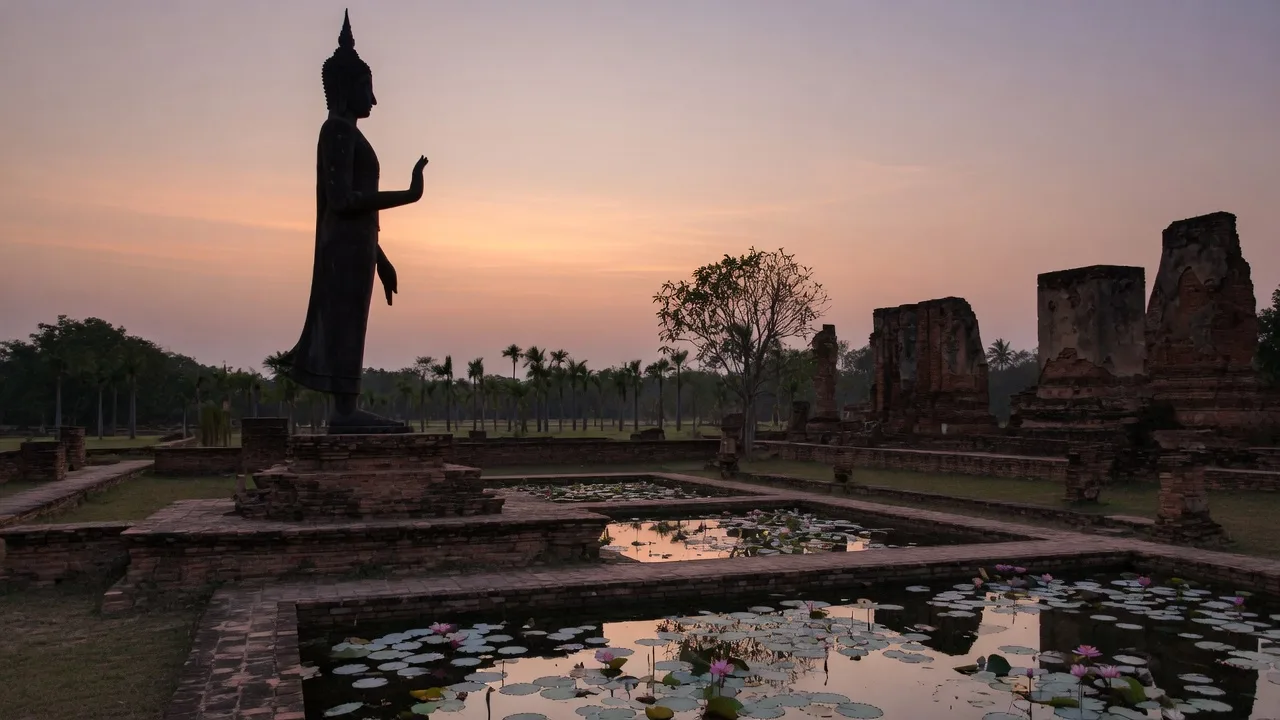 The Sukhothai Era The 'Dawn of Happiness' — Thailand's golden age when the first Thai kingdom created the script, the art, and the Buddhist ideals that define the nation. Open
 Religion
5 guides Temples & festivals Thai wats, Songkran, Loy Krathong, Sukhothai and Ayutthaya, Muay Thai — a People & Spirit catalogue with official and UNESCO links. Open 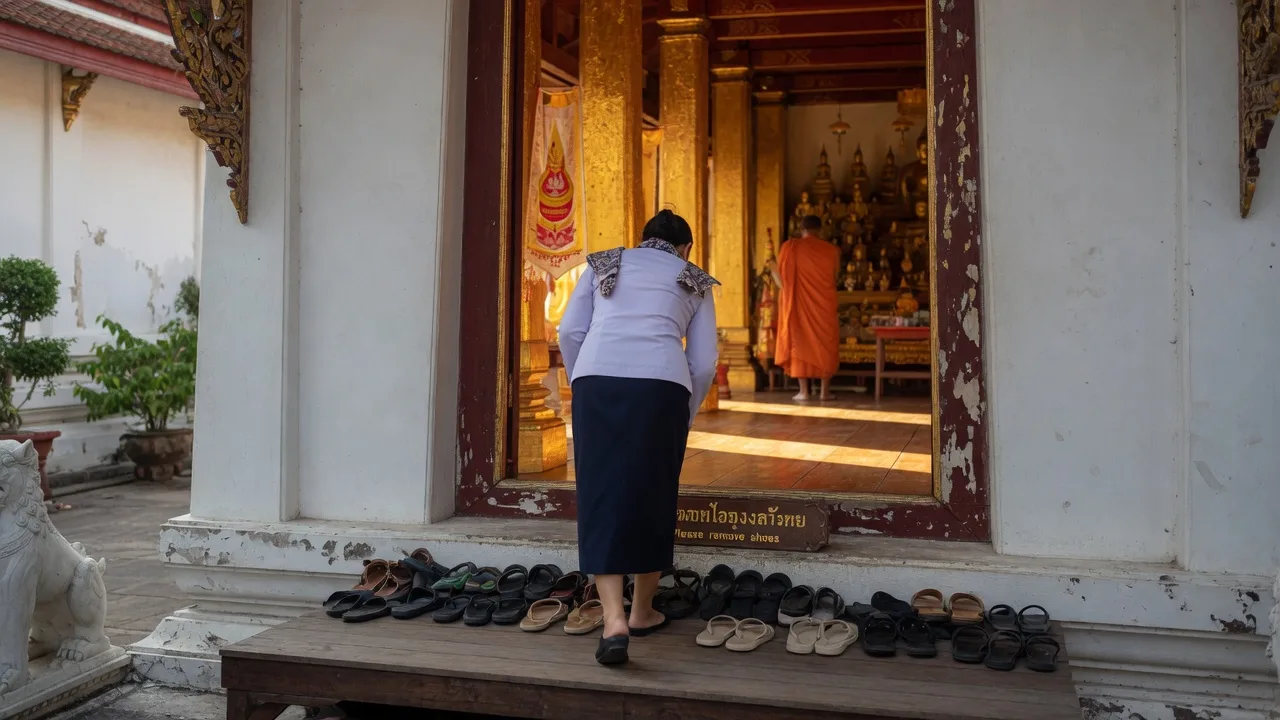 Temple etiquette Shoes, shoulders, sitting feet, cameras, and monks — how to be in a wat without turning it into a backdrop. Open Buddhism in Thailand Theravada Buddhism shapes every facet of Thai life — from the 40,000 temples to the morning alms round, the merit economy, and the expectation of ordination. Open
 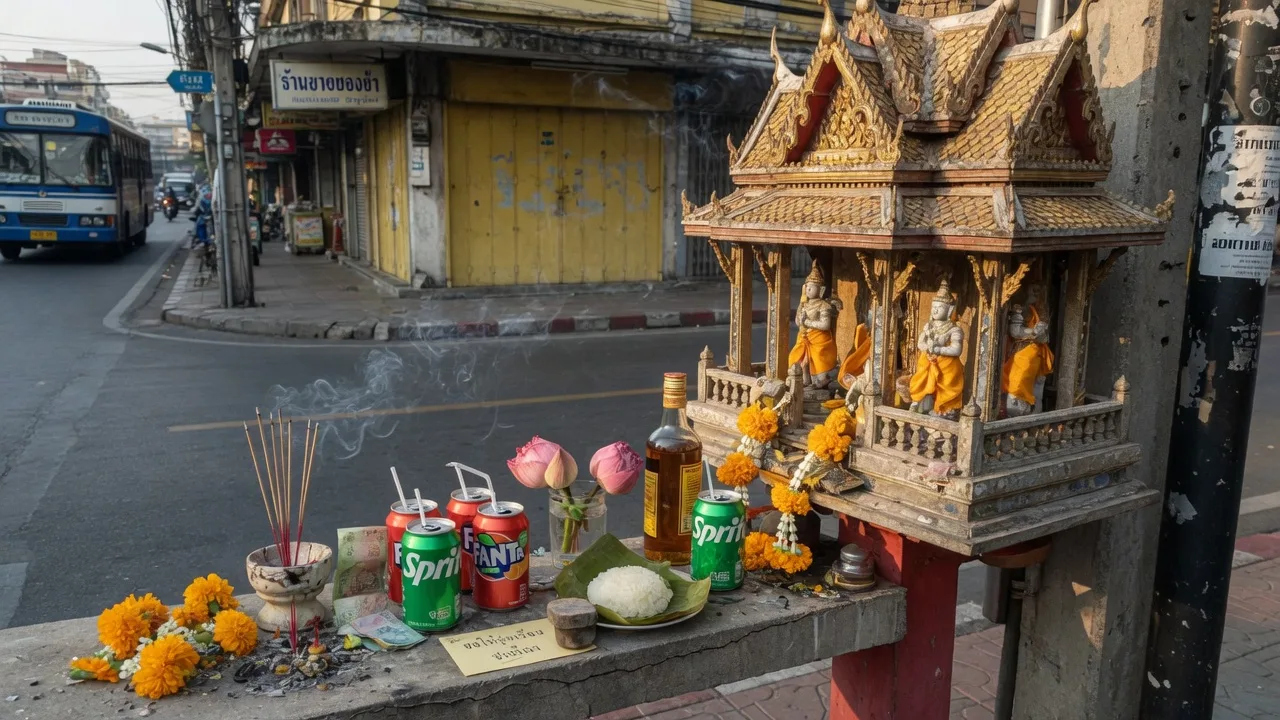 Spirit Houses & Animism The invisible world that shapes daily Thai life — spirit houses, protective amulets, and the deep animist roots beneath Thai Buddhism. Open
 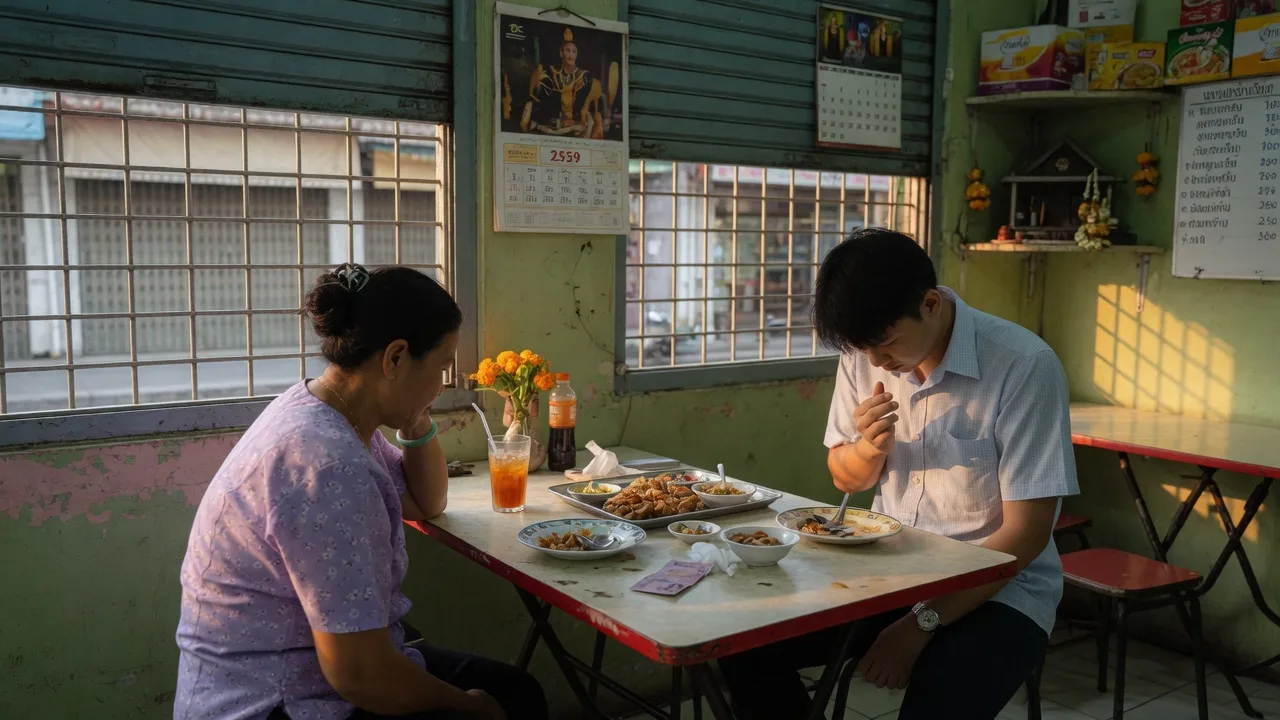 Thailand's Temples & Monastic Life From the Grand Palace to rural village wats — the architecture, daily rhythms, and spiritual significance of Thailand's 40,000 temples. Open
 Society
2 guides
Arts
3 guides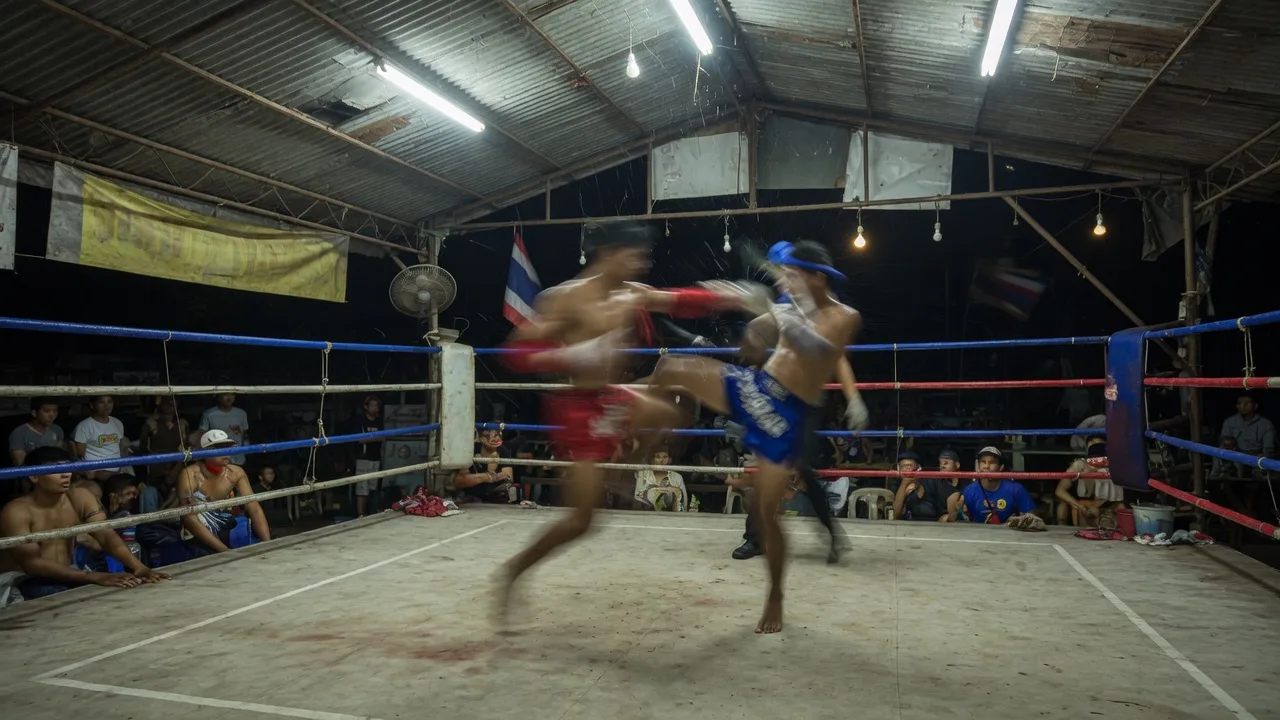 Muay Thai The Art of Eight Limbs — Thailand's ancient martial art, national sport, and cultural institution from rural training camps to Bangkok stadium glory. Open
 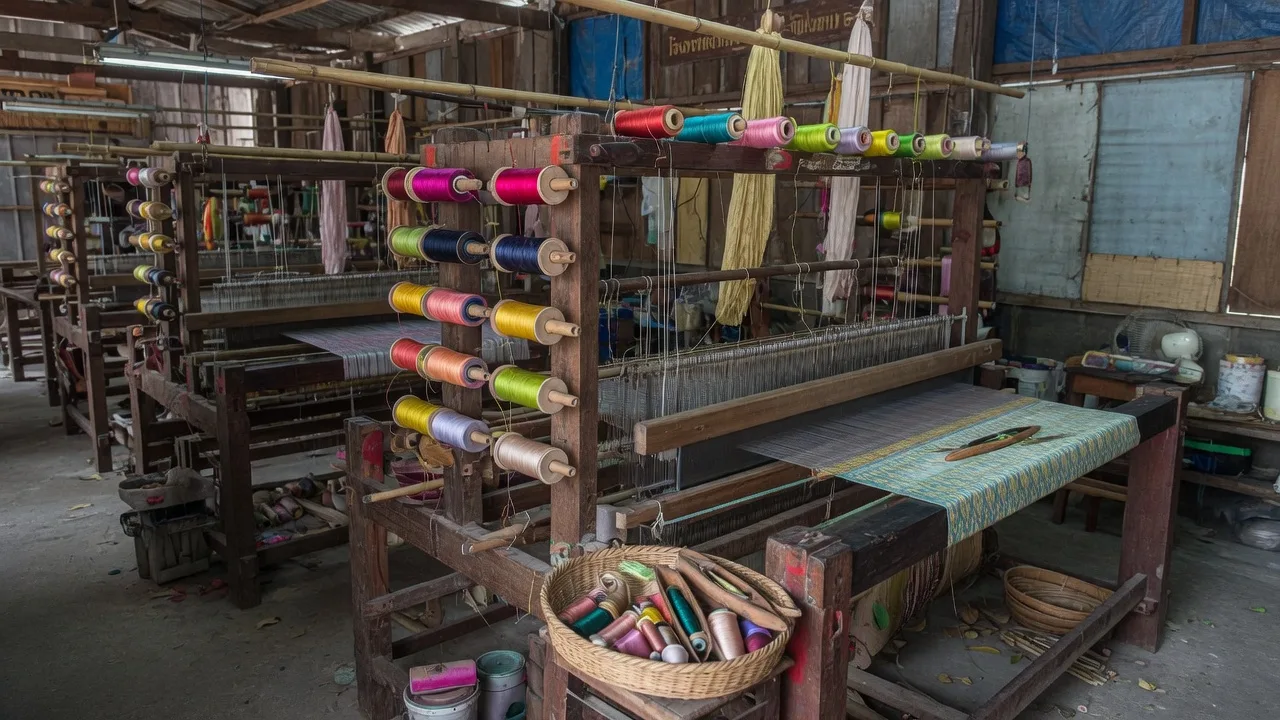 Thai Silk & Handicrafts From the iridescent shimmer of Thai silk to the intricate woodcarvings of the north — Thailand's living craft traditions. Open
 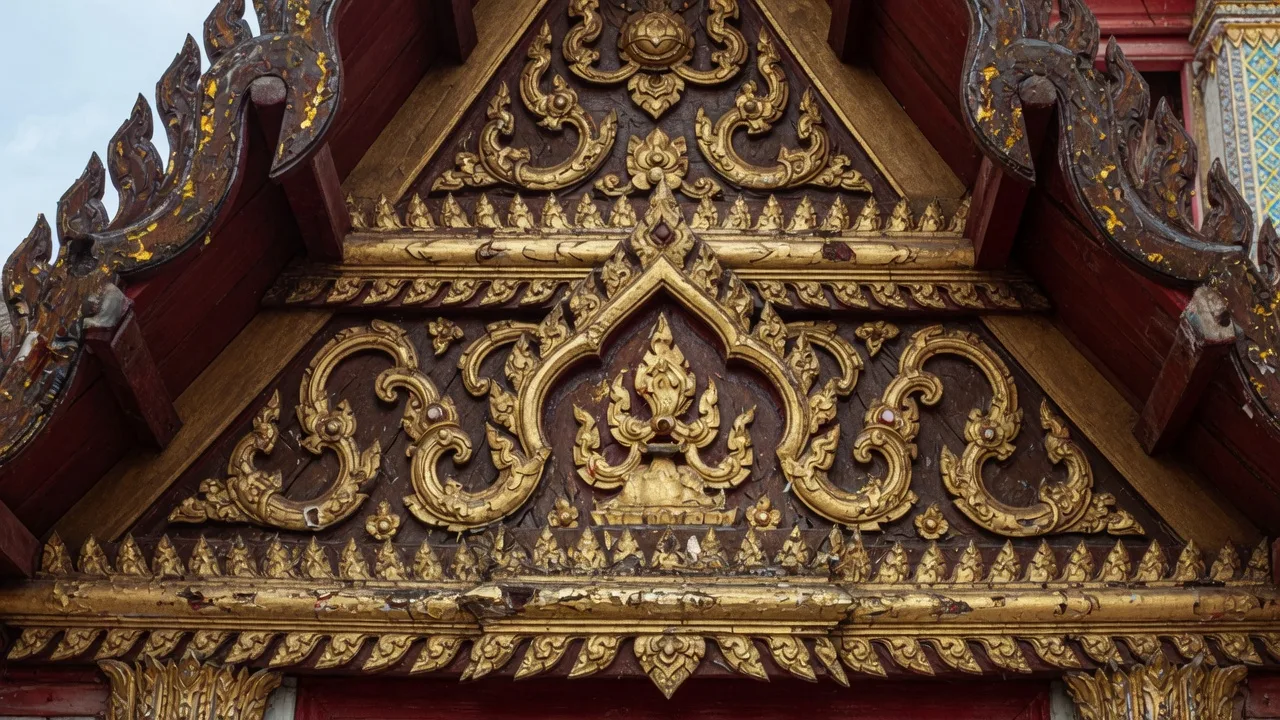 Thai Art & Architecture From the soaring prang of Wat Arun to the intricate temple murals, Sukhothai bronzes, and contemporary art — Thailand's artistic traditions across the centuries. Open
 Festivals
2 guides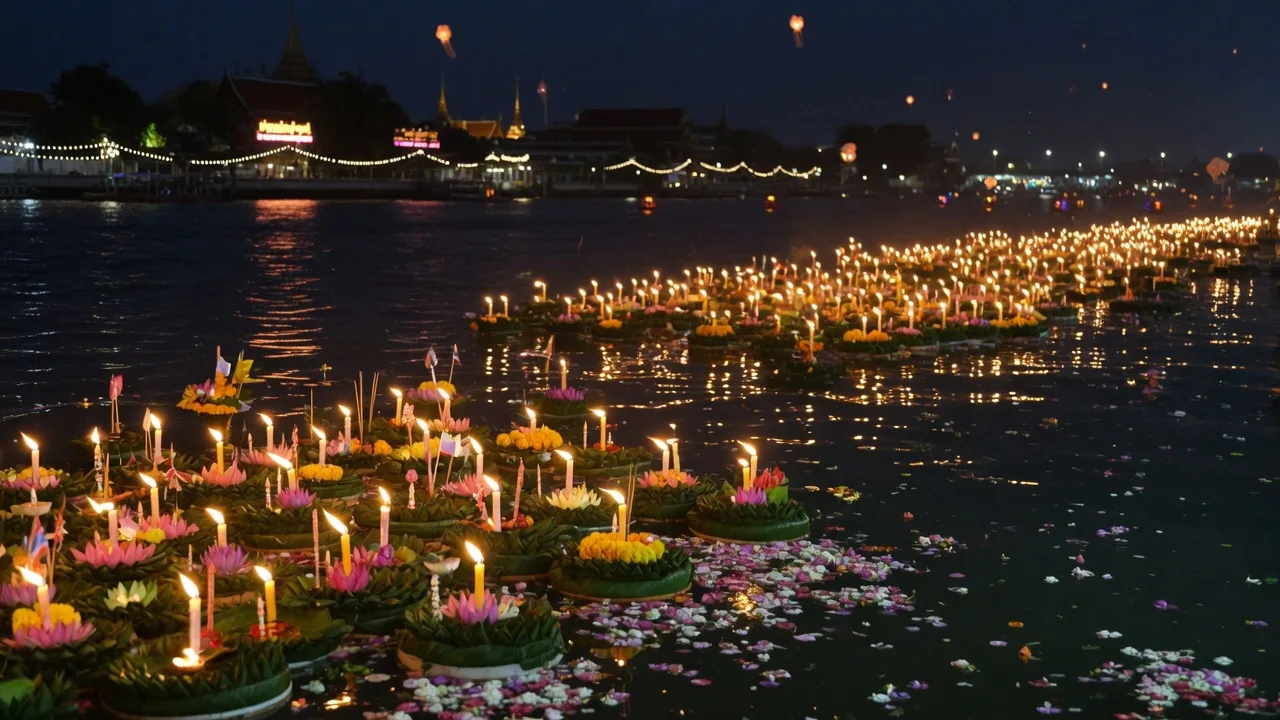
Library
3 guides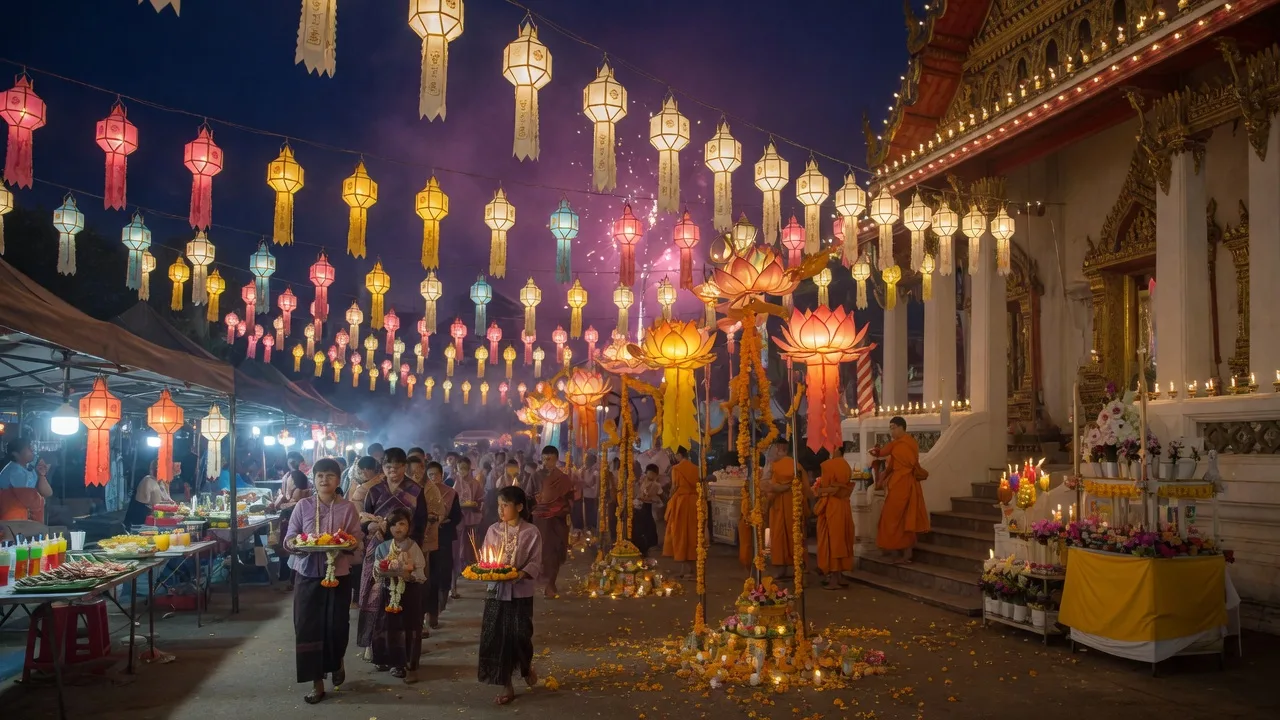 Thai calendar Buddhist Era years, wan phra, and why a bank is shut when your guidebook said Tuesday. Open
  FAQ Temple dress, Songkran, the wai, and why you do not joke about the king — short culture answers. Open
  Editorial Who publishes Thailand InfoBuffoon People & Spirit, how culture pages are written, and how to send corrections. Open